


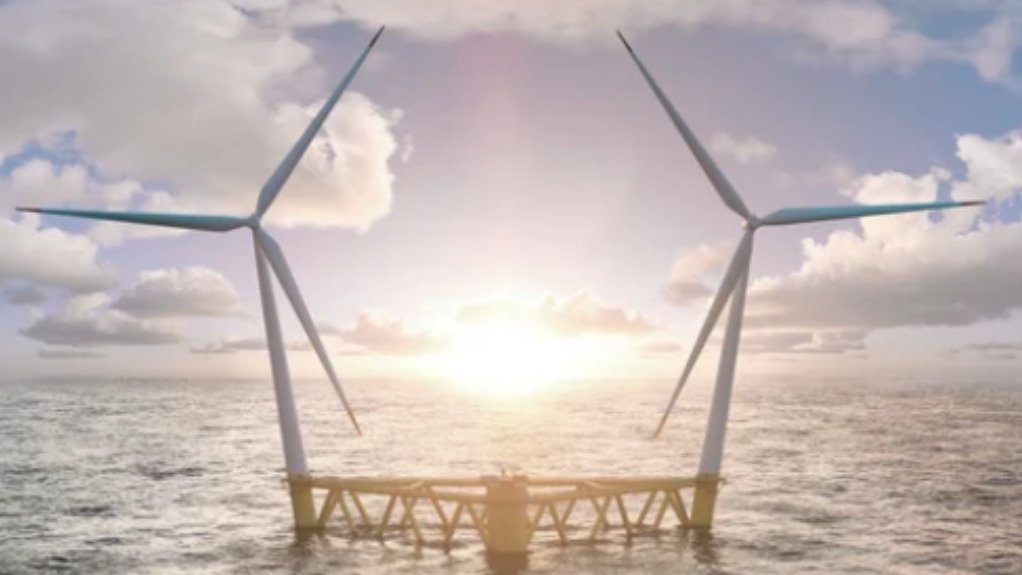
The environmental impact study for South Africa's first proposed offshore wind farm along the country's east coast has stalled, pending new technical information from developers.
South Africa is targeting a debut sovereign green bond as soon as this fiscal year to help raise the R3.7-trillion needed to mitigate the effect of greenhouse gas emissions over the next decade.
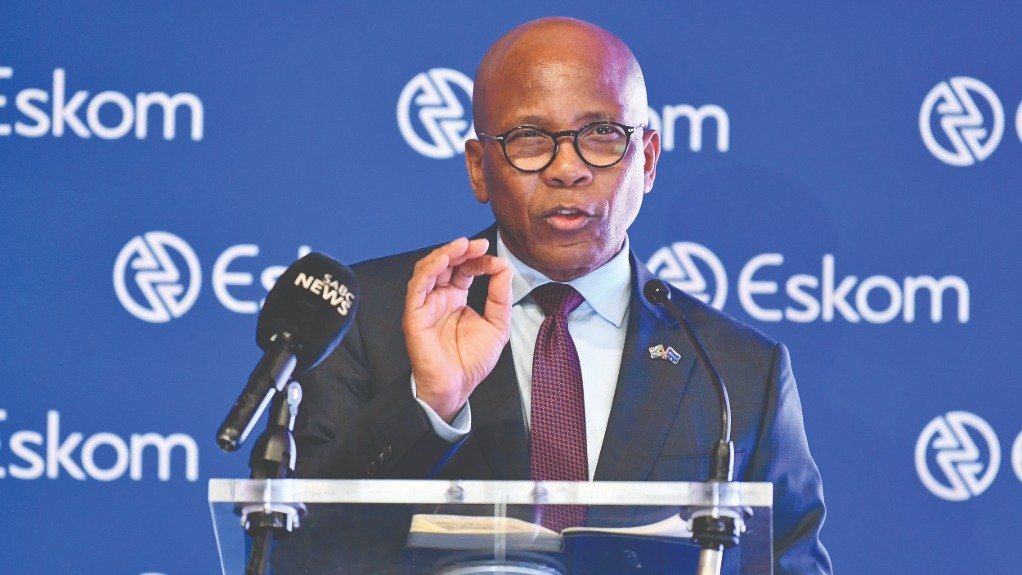
South Africa should hold off on transferring assets to a separate transmission company as part of Eskom grid reform until the government addresses certain risks.

Cape Town’s Energy Directorate says it will spend R6-billion on electricity infrastructure over the next three years.
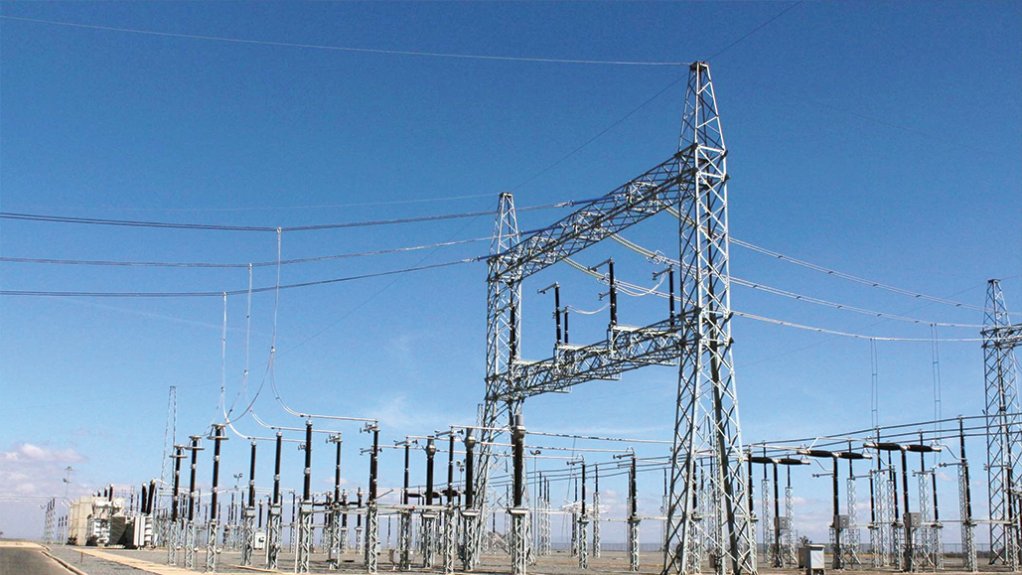
Power in Africa is not only an issue of infrastructure, but also an economic issue because industry requires reliable, affordable and sustainable energy. Africa needs power to accelerate industrialisation.

Stronger action required to bolster energy security. Oil demand has shifted considerably over the past four months in response to the oil crisis, with many consumers scaling back their energy use.

Global electricity demand is set to outpace economic growth as part of a broader trend up to 2030, with electricity consumption projected to grow at least two-and-a-half times as fast as overall energy demand.

The electricity data for April and May reflect a system that is operationally more stable, yet structurally under strain, the Minerals Council South Africa highlights.
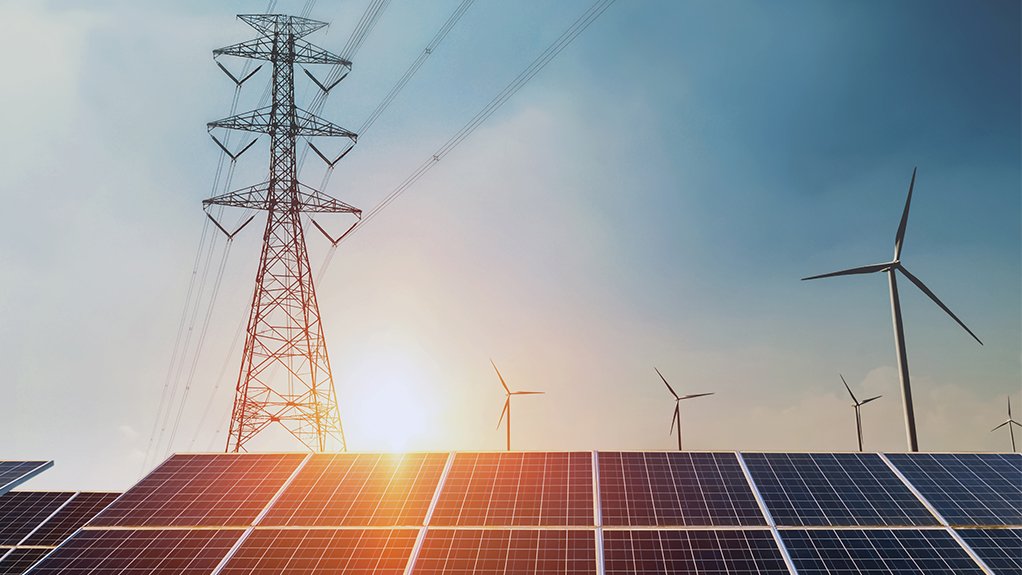
Plans for strengthening the country's electricity transmission grid and further increasing renewable energy generating capacity are not yet in alignment.

Independent power producer and licensed trader NOA has amplified a recent call for the publication of a Cabinet-endorsed electricity reform roadmap